 EN
EN
 AR
AR
 HR
HR
 CS
CS
 DA
DA
 NL
NL
 FI
FI
 FR
FR
 DE
DE
 EL
EL
 IT
IT
 JA
JA
 KO
KO
 NO
NO
 PL
PL
 PT
PT
 RO
RO
 RU
RU
 ES
ES
 SV
SV
 IW
IW
 ID
ID
 LV
LV
 LT
LT
 SR
SR
 SK
SK
 SL
SL
 UK
UK
 SQ
SQ
 ET
ET
 HU
HU
 TH
TH
 TR
TR
 FA
FA
 MK
MK
 KA
KA
 UR
UR
 BN
BN
 LA
LA
 NE
NE
Skin resurfacing is a common means people use to make their skin look new and smooth. There are several ways to achieve this, but the most popular methods are Fractional RF and Ablative Lasers. Both help repair skin issues such as wrinkles, scars and uneven texture. But which one works better? It all comes down to what your skin needs and the kind of results you want. At MTS, we understand the importance of choosing the proper method because skin is sensitive and everyone has difference needs. We thought we’d share some helpful information about these two treatments so you can understand the difference and maybe find a better fit for you.
In what ways is fractional RF better than ablative lasers for skin rejuvenation?
Fractional RF, which is Radio Frequency, delivering heat energy to the deeper layers of your skin & tissue without causing too much surface noise. Its one of its huge benefits over Ablative Lasers. Ablative Lasers, on the other hand, burn away the upper skin layers and may be more painful and require a longer period of healing. One with a hectic schedule may think fractional rf is nice because often you can get back to working soon. Some say it’s not all that scary since you don’t have raw skin in the aftermath.
Fractional RF vs Ablative Lasers: How to Select the Right Skin Resurfacing Option?
Deciding between Fractional RF and Ablative Lasers is somewhat challenging because each has their high and low lights. Ablative Lasers: If your skin hosts deep wrinkles, scars or serious sun damage; then the ablative lasers would be able to remove more damaged skin layers and may do a better job than non-ablative. But if you’re looking for a treatment with shorter recovery time and reduced side effects, fractional rf laser can be better. Consider how much time you can take off for recovery. With Ablative Lasers it can take a week or two before the skin has fully normalized.
Common Adverse Effects of Fractional RF Compared to Ablative Lasers:
When people think of how to get better skin, they usually envision treatments such as fractional RF and ablative lasers. Both can be effective for making skin look better, but they also have their drawbacks. Side effects are what may happen after the treatment that was not planned or wanted. These can help inform your decision about which treatment is right for you.
Fractional RF, or fractional radiofrequency, delivers energy deep into the skin to heat it without damaging the surface too much. And it’s less harsh — the normal side effects are redness and mild swelling after treatment. Tiny bumps, or the skin feeling a little warm are things that some may notice, but this tends to go after a few hours, or at most a couple of days. The skin may occasionally feel dry to the touch or appear a little flaky as it heals, which is perfectly normal and means new, healthy skin cells are on their way. Serious side effects, such as scarring or infections, are very uncommon with fractional RF since it doesn’t cause as much damage to the skin as some other therapies.
How Does Fractional RF Compare to Ablative Lasers?
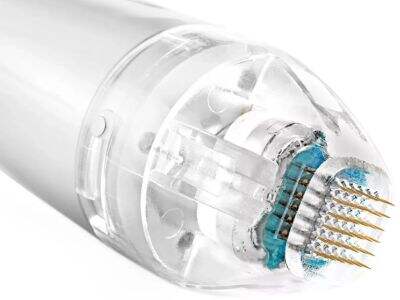
Instead, fractional RF is gaining momentum as it provides a safer way to treat the skin without many of the risks found with ablative laser treatments. We at MTS are committed to aiding the individual in their search for treatments that perform effectively, in a skin friendly manner. Here’s why fractional needle rf is a safer option.
First, fractional RF applies radiofrequency energy to areas of the skin below the surface to heat it, signaling the body to produce new collagen. Collagen is sort of the skin’s building blocks, which maintains firmness and smooth consistency to your skin. The exciting part is that fractional RF skin treatment doesn't remove or burn the upper layer of the skin. That means there’s less damage to the barrier of your skin, which protects you from germs and traps moisture inside. The skin heals more quickly and with fewer complications because the surface remains largely intact.